Anna Huna | ACC App

Role:
UX/UI
Industry:
Education
Duration:
6 weeks
work dynamic:
group work
01- Project Overview
Anna Huna is an iPad-based AAC (Augmentative and Alternative Communication) app designed to empower non-verbal children with Autism Spectrum Disorder (ASD) to express their needs and emotions independently.
The app provides a structured, sensory-aware communication experience that reduces frustration and improves understanding between children, caregivers, and specialists.
Designed following Apple’s Human Interface Guidelines (HIG) and accessibility best practices for iPad interaction, the experience prioritizes clarity, predictability, and emotional safety.
02- The Challenge
Non-verbal children with ASD face significant barriers in expressing their needs and emotions in real time.
This often results in:
Emotional distress and behavioral challenges
Increased dependency on caregivers
Misinterpretation of intentions
Delayed responses in therapy and daily life
Sensory overload caused by visually overwhelming digital tools
Existing AAC apps are often visually complex, lack Arabic language support, and fail to fully consider sensory sensitivities.
03- The Project Goals
A visual and interactive AAC-based iOS app that helps nonverbal children with ASD express their needs and emotions more naturally, inside and outside therapy sessions.
Enable children to communicate independently
Reduce frustration during daily interactions
Provide caregivers with a structured and reliable AAC tool
Create a calm, distraction-free interface
Ensure usability both inside therapy sessions and in everyday environments
Align with iPad interaction standards and accessibility principles
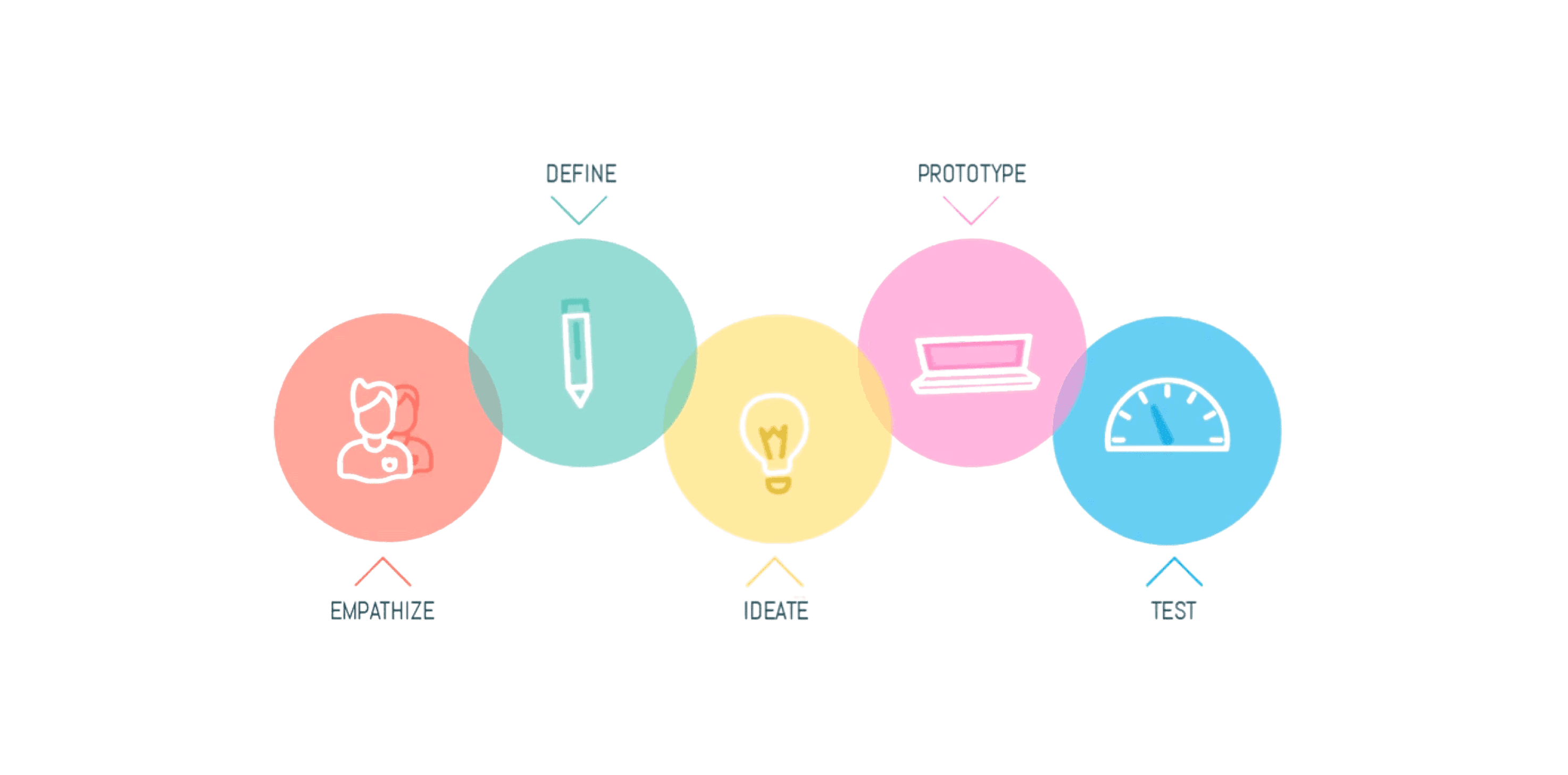
04- The Process
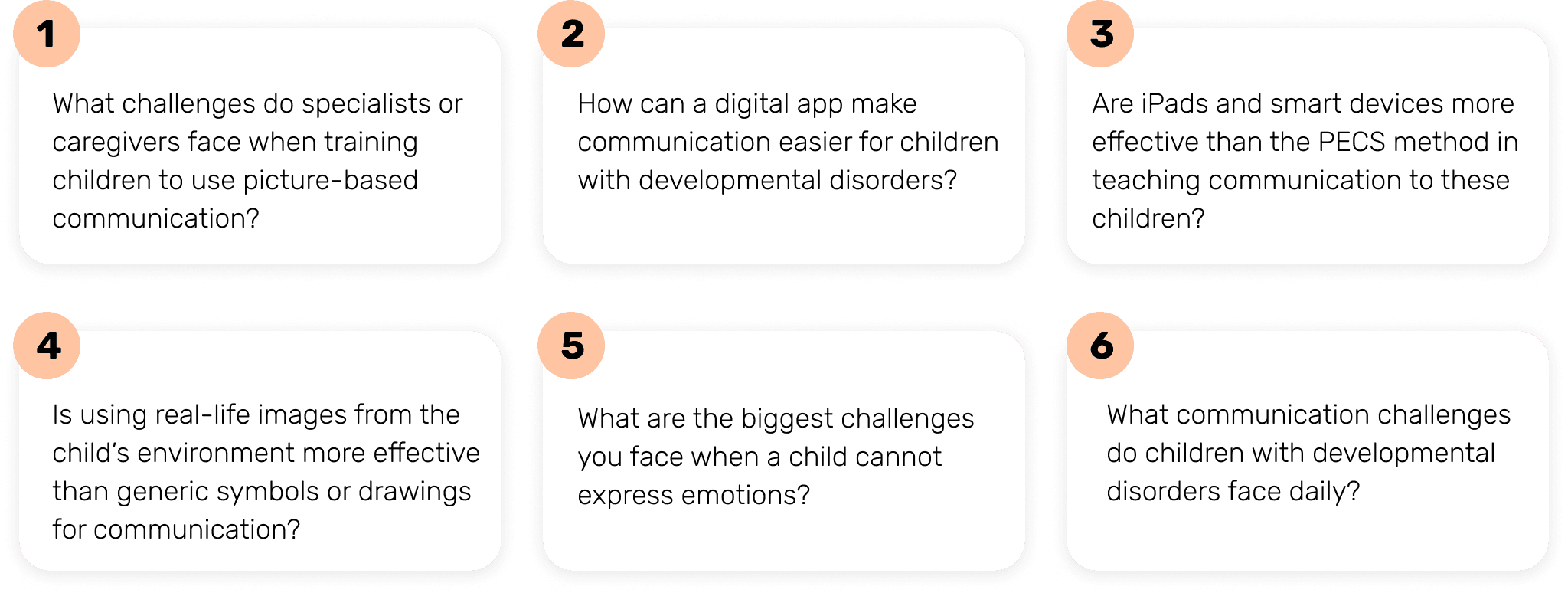
05- Research & Discovery
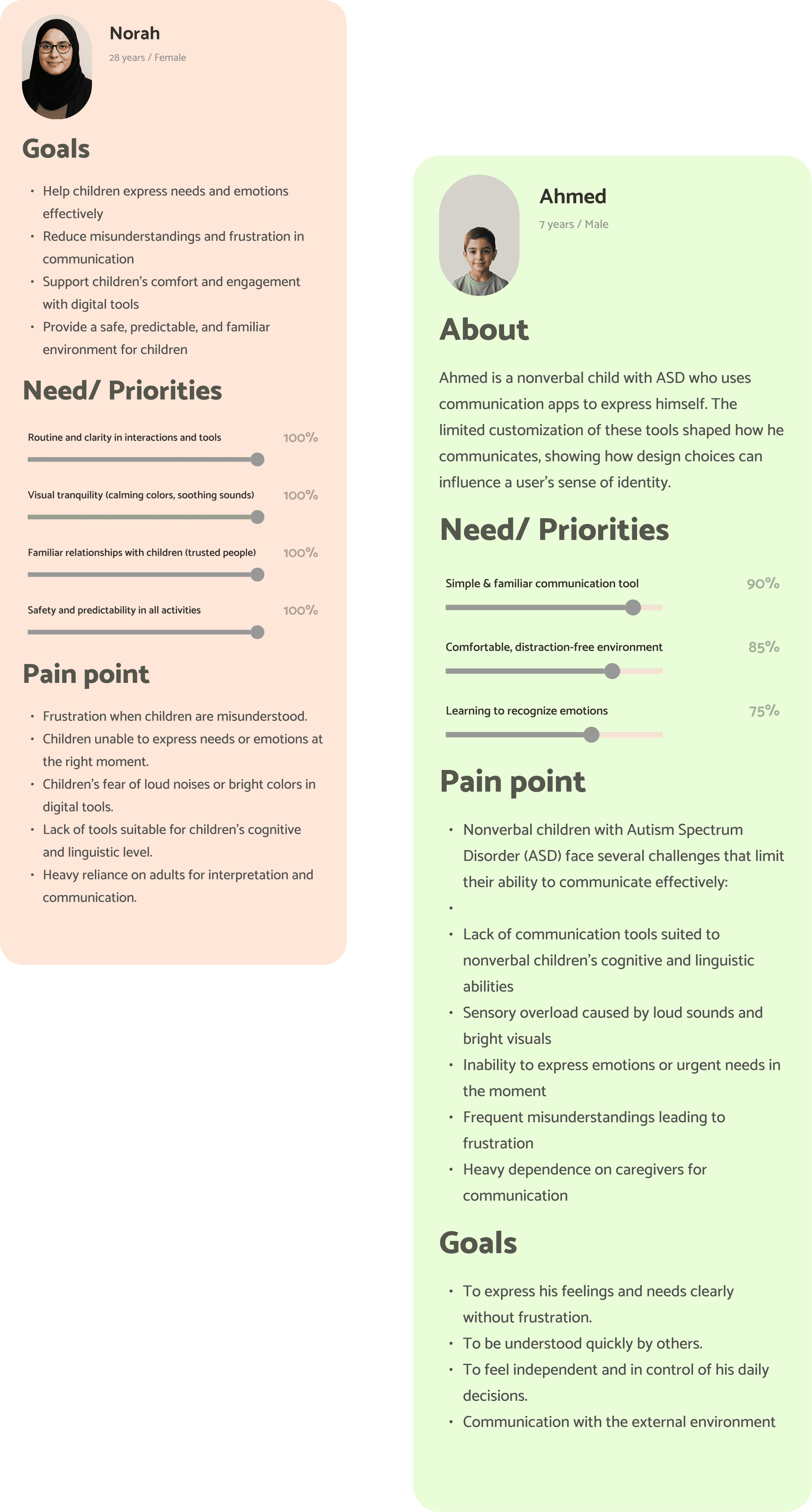
06- User Personas
07- The Solution
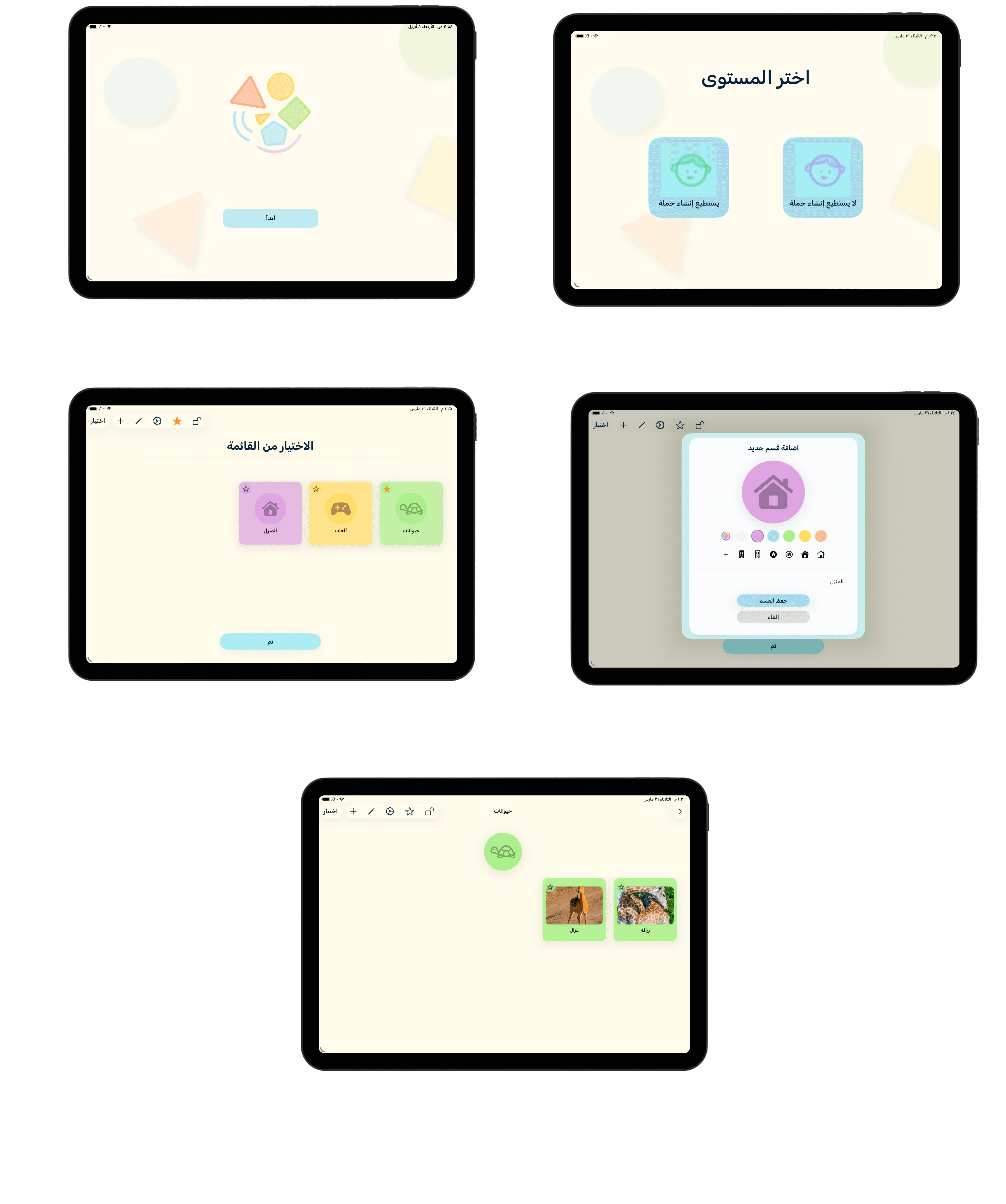
a visual AAC-based iPad app that helps nonverbal children with ASD express their needs and emotions through simple, accessible, and culturally relevant communication boards.
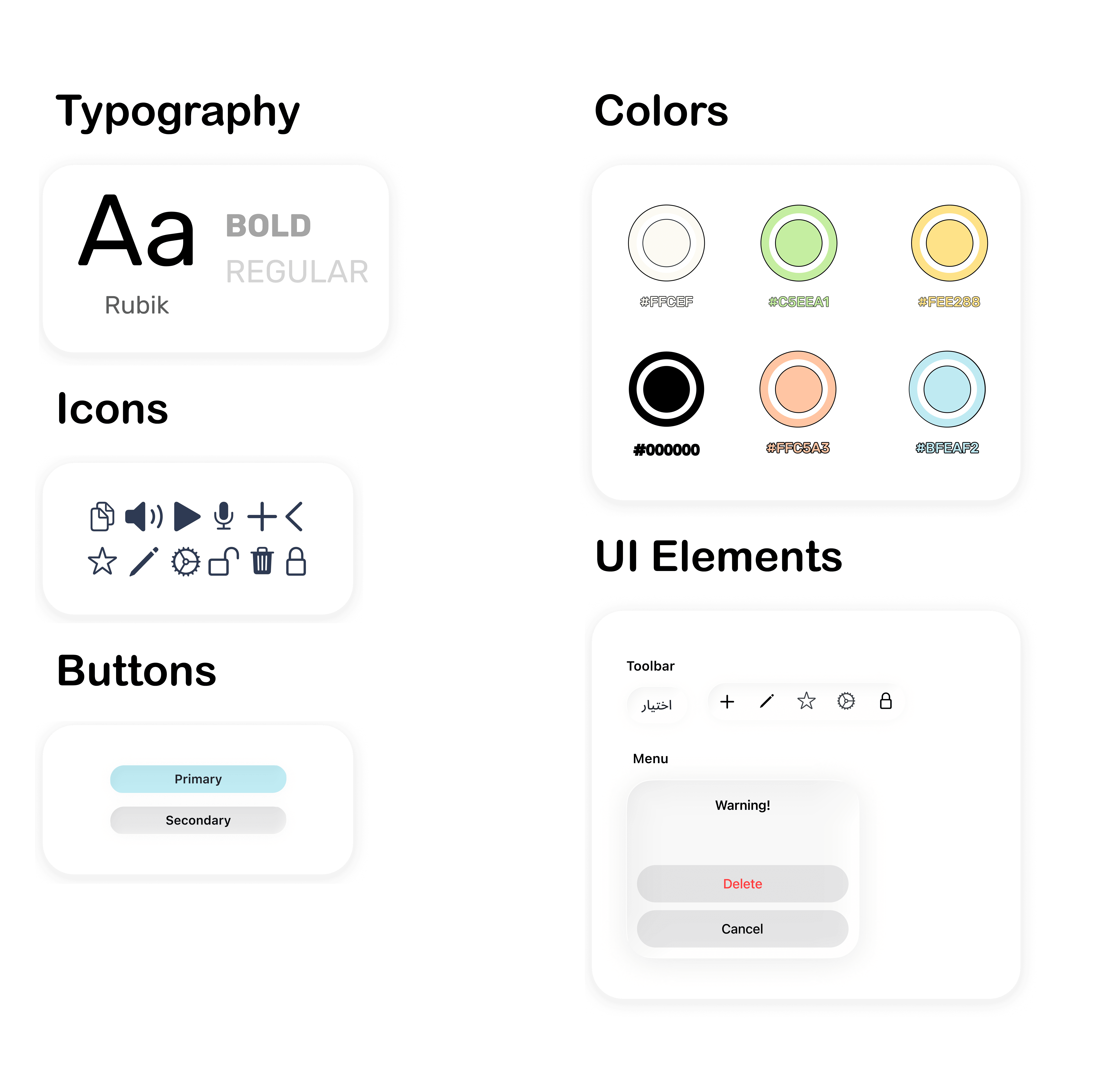
The design system was built to reflect the app's core values: calm, clarity, and accessibility.
Other Projects

Anna Huna | ACC App
Role:
UX/UI
Industry:
Education
Duration:
6 weeks
work dynamic:
group work
01- Project Overview
Anna Huna is an iPad-based AAC (Augmentative and Alternative Communication) app designed to empower non-verbal children with Autism Spectrum Disorder (ASD) to express their needs and emotions independently.
The app provides a structured, sensory-aware communication experience that reduces frustration and improves understanding between children, caregivers, and specialists.
Designed following Apple’s Human Interface Guidelines (HIG) and accessibility best practices for iPad interaction, the experience prioritizes clarity, predictability, and emotional safety.
02- The Challenge
Non-verbal children with ASD face significant barriers in expressing their needs and emotions in real time.
This often results in:
Emotional distress and behavioral challenges
Increased dependency on caregivers
Misinterpretation of intentions
Delayed responses in therapy and daily life
Sensory overload caused by visually overwhelming digital tools
Existing AAC apps are often visually complex, lack Arabic language support, and fail to fully consider sensory sensitivities.
03- The Project Goals
A visual and interactive AAC-based iOS app that helps nonverbal children with ASD express their needs and emotions more naturally, inside and outside therapy sessions.
Enable children to communicate independently
Reduce frustration during daily interactions
Provide caregivers with a structured and reliable AAC tool
Create a calm, distraction-free interface
Ensure usability both inside therapy sessions and in everyday environments
Align with iPad interaction standards and accessibility principles
04- The Process
05- Research & Discovery
06- User Personas
07- The Solution
a visual AAC-based iPad app that helps nonverbal children with ASD express their needs and emotions through simple, accessible, and culturally relevant communication boards.
The design system was built to reflect the app's core values: calm, clarity, and accessibility.